
REDWOOD CITY, Calif., July 21 (San Francisco News Online) — A recent Fox News report about a preventive full-body MRI that found a brain tumor has renewed interest in a test that sounds appealing: one scan to look for cancer, heart disease and other hidden problems before symptoms start.
For a healthy adult deciding whether to pay for one, the key point from major medical groups is still the same. The Food and Drug Administration says it knows of no scientific evidence that whole-body scanning of people without symptoms provides more benefit than harm. The American College of Radiology says there is not enough evidence to recommend total-body screening for people with no symptoms, risk factors or family history suggesting disease.
What is a full-body MRI?
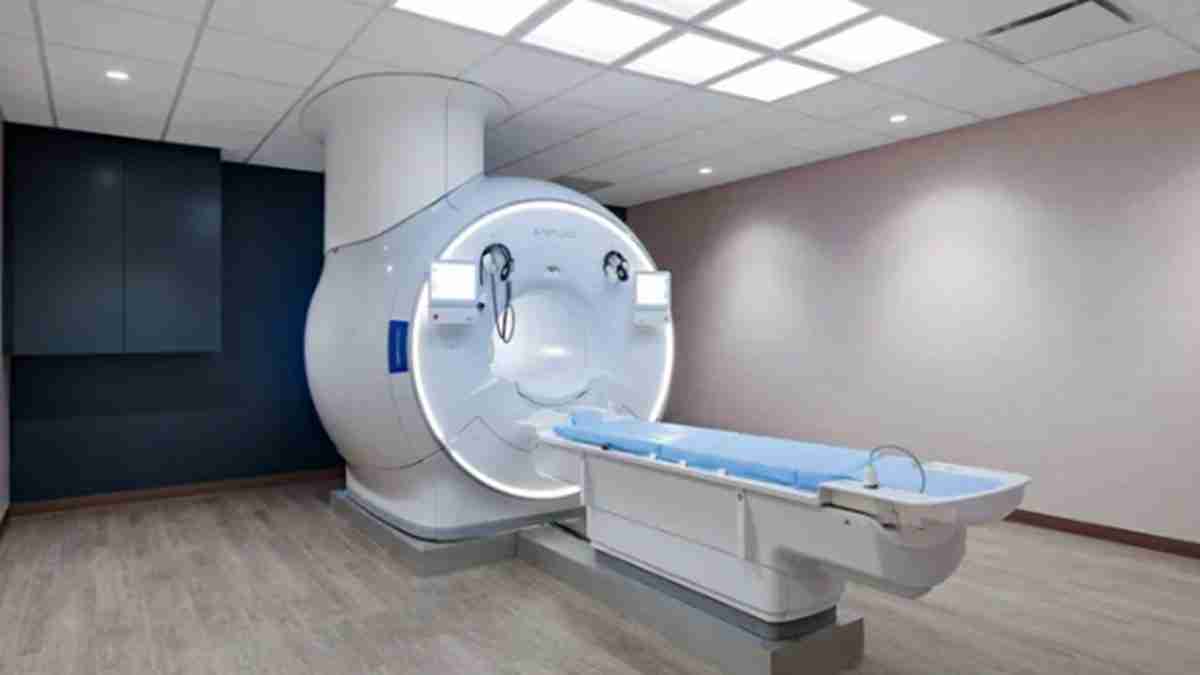
A full-body MRI is a magnetic resonance scan that images large parts of the body in one session. The American Cancer Society says MRI does not use ionizing radiation, unlike CT scans. That makes it different from many other imaging tests, but it does not make it automatically useful as a screening tool.
Companies that sell the scans often market them as a way to catch disease early. Prenuvo, for example, says its scan can detect more than 500 conditions, including cancers at an early stage, according to CBS San Francisco.
Why do doctors worry about routine screening?
The main concern is not that the scan never finds anything important. It sometimes does. The concern is what happens when it finds something unclear.
The American Cancer Society says full-body scans can uncover incidental findings, sometimes called incidentalomas, which are unexpected spots or shadows that may turn out to be normal variations in the body. Dr. Lisa Fuller, quoted by the ACS, said the risk comes from the possible downstream effects. Those can include more imaging, biopsies, procedures and anxiety.
Dr. Rebecca Smith-Bindman, a UCSF radiology researcher in San Francisco, told CBS San Francisco that there is “not a stitch of evidence” that the scan helps people live longer or better. She also warned of “tremendous numbers of false positives,” meaning abnormal-looking results that do not turn out to be serious disease.
Matthew Davenport, a radiologist at the University of Michigan, said in an ABC News report on a JAMA editorial that the harms come from “invasive testing or surgeries or follow-up of findings that are of uncertain benefit.” Davenport and Dr. Scott Reeder wrote that no major medical group recommends whole-body MRI for the general population because the benefits remain unproven.
What are the possible downsides?
Medical groups and patient guidance point to several. The American Cancer Society lists false positives, unnecessary follow-up tests, overdiagnosis, overtreatment, false reassurance and high out-of-pocket cost. Cleveland Clinic also says full-body MRI can miss disease, so a normal scan does not guarantee that nothing is wrong.
The American College of Preventive Medicine says doctors should not use whole-body scans for early tumor detection in people without symptoms of illness. The U.S. Preventive Services Task Force has also given pancreatic cancer screening in asymptomatic adults who are not known to be at high risk a D rating, meaning harms outweigh benefits.
What about cost and insurance?
The American Cancer Society says insurance companies rarely pay for full-body MRI because it is not part of standard medical care. In other words, many people who choose the scan are paying out of pocket.
Why does the brain-tumor story matter?
Stories like the one reported by Fox News are the reason the test keeps attracting attention. They show that a scan can sometimes find a serious problem before symptoms appear.
But public health experts say one case does not answer the bigger question: whether routine scanning of healthy people improves outcomes enough to justify the false alarms, extra testing and cost. That is why the FDA, the ACR and other medical groups continue to urge caution when full-body MRI is used as a broad screening test rather than a targeted diagnostic tool.
