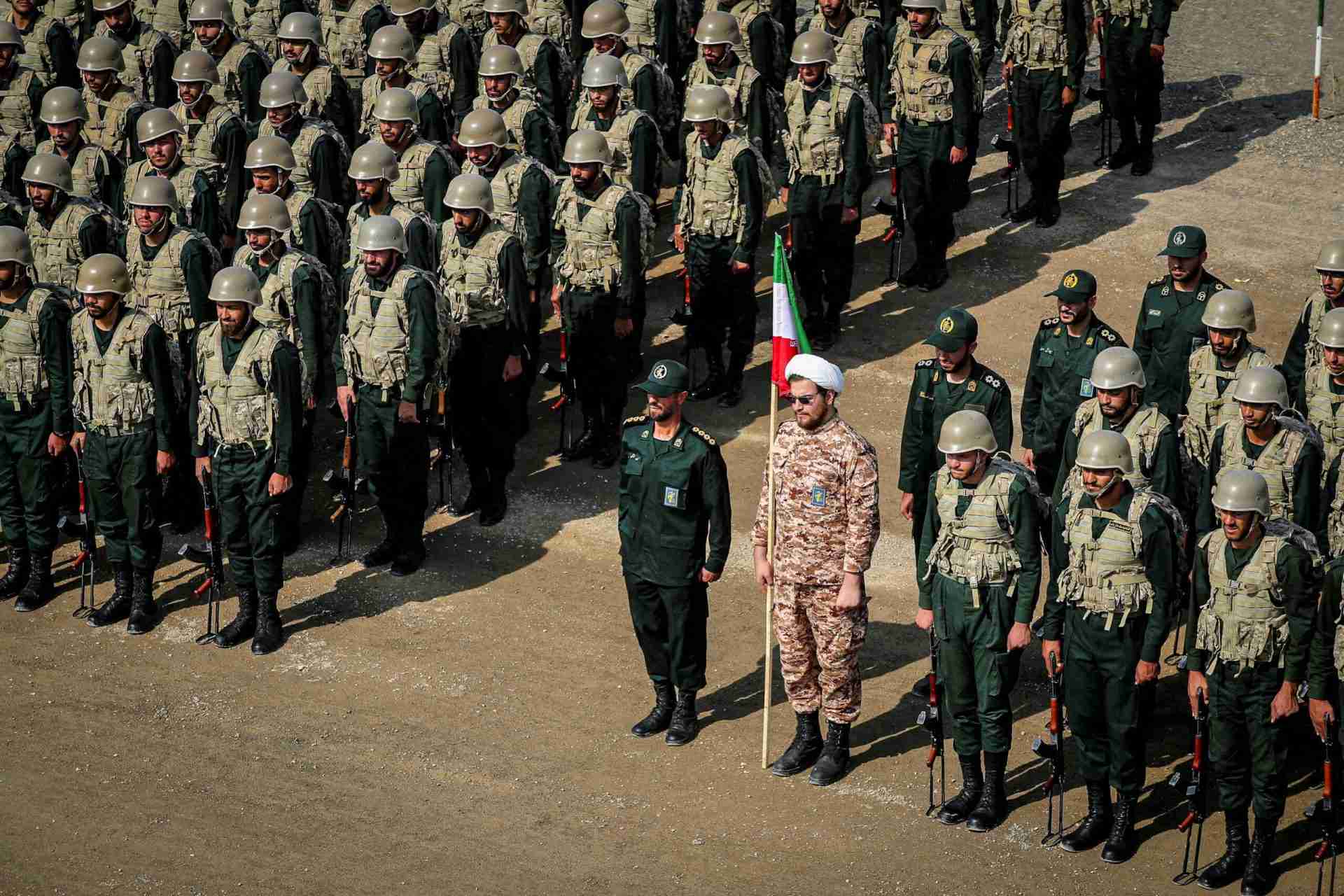
TEHRAN, Iran, June 19 (World Daily Times) — Reuters reported, citing eight Iraqi sources, that Iran’s Islamic Revolutionary Guard Corps set up secretive cells in Iraq to launch drone attacks on Gulf states that host American forces. If the account is accurate, it would show a more hidden and more flexible way for Iran-linked forces to pressure regional rivals while making the attacks harder to trace back to established militias.
The sources said the IRGC created three or four small cells, each with about 10 elite Iraqi Shi’ite fighters, and did so to bypass existing militia networks and avoid detection. Iraqi officials quoted by Reuters said the approach also gave Iran plausible deniability and could reduce U.S. pressure on Baghdad to disarm Iran-backed groups. That would matter because Iraq has spent years trying to manage armed factions that operate alongside, but not always under, the state.
Three Iraqi security sources told Reuters the cells carried out at least seven drone attacks from desert areas near Basra and Samawa between April 20 and May 17. The sources said the attacks were aimed at sites in Kuwait, Saudi Arabia and the United Arab Emirates. Reuters said the security sources based their assessment on human intelligence, intercepted communications and evidence gathered at launch sites.
The report said some of the fighters were drawn from Islamic Resistance in Iraq, an umbrella group of hardline Shi’ite factions with thousands of fighters. But the new cells were said to operate outside that group’s command structure and report directly to the IRGC. That distinction is important: it suggests a parallel chain of command rather than a routine militia operation, which could complicate efforts to assign responsibility for future attacks.
The report did not identify any arrests, charges or court cases, and it did not include responses from the IRGC, the Iraqi government or the Gulf states named in the allegations. Still, the claims point to a broader regional pattern: the use of small, covert teams based in Iraq to threaten neighboring states while keeping the sponsoring force at arm’s length.